Total: $0.00
Taxes and shipping calculated at checkout

An engagement ring is traditionally given during a proposal as a symbol of the intention to marry, while a wedding band is exchanged during the wedding ceremony itself to represent the marriage commitment. Many couples wear both rings together on the same finger after the ceremony, with the wedding band positioned closest to the hand. However, having both is a matter of personal preference rather than a requirement — some couples choose to wear only one ring.
The best wedding band width usually relates to the width of the engagement ring's band. Choosing a band within about 0.5 to 1 mm of the engagement ring's shank width creates the most balanced appearance. Since most engagement ring bands range from about 1.6 mm to 2.5 mm wide, wedding bands between roughly 1.5 mm and 3 mm typically pair well.
Yes. Most wedding bands can be engraved on the inside of the ring with personal messages such as initials, wedding dates, names, or short phrases. The number of characters depends on the ring's size and width. Some styles also allow exterior engraving on the outside surface of the band for a more visible design.
The easiest approach is to choose the same metal type and karat as the engagement ring whenever possible. For example, pairing 14k white gold with 14k white gold typically creates the closest match. Minor color variations can occur between manufacturers, so bringing the engagement ring to a jeweler when selecting the band can help achieve the best visual match.
Over decades of wear, most wedding bands gradually develop a patina — a softer surface appearance created by small scratches and normal wear. High-polish finishes become more subdued and warm, brushed finishes develop naturally polished areas, and textured finishes often maintain their appearance more consistently. The metal itself remains structurally stable and durable over time.
Perfectly replicating the patina of a well-worn ring is difficult because that surface develops through years of individual wear. However, a jeweler can choose a finish that will naturally evolve toward a similar look over time. Some couples also prefer allowing the new band to develop its own patina gradually through everyday wear.
Most plain or partially stone-set wedding bands can be resized by cutting the band, adding or removing metal, and then rejoining and refinishing it. Typically, rings can be adjusted by about two sizes larger or smaller. Full eternity bands cannot usually be resized because stones surround the entire band, leaving no space for modification.
El anillo de matrimonio es uno de los símbolos más importantes de una relación, ya que representa amor, compromiso y unión para toda la vida. Al tratarse de una joya pensada para usarse a diario, elegir el anillo adecuado implica considerar diseño, comodidad, materiales y durabilidad. Una buena elección garantiza que el anillo mantenga su belleza y significado con el paso del tiempo.
Existen distintos estilos de anillos de matrimonio, cada uno pensado para diferentes gustos y estilos de vida.
Los diseños clásicos se caracterizan por líneas limpias y acabados sencillos. Son ideales para quienes buscan un estilo atemporal y elegante que nunca pase de moda y combine fácilmente con otras joyas.
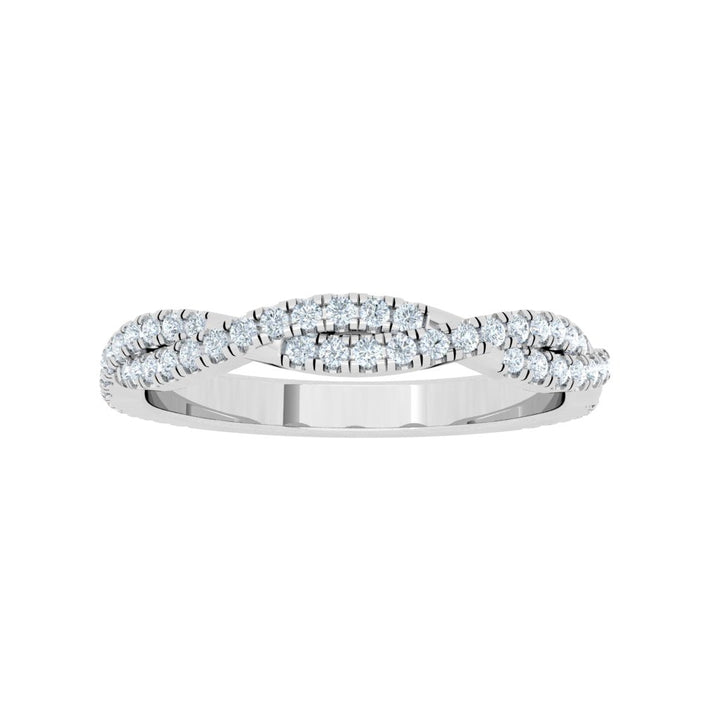
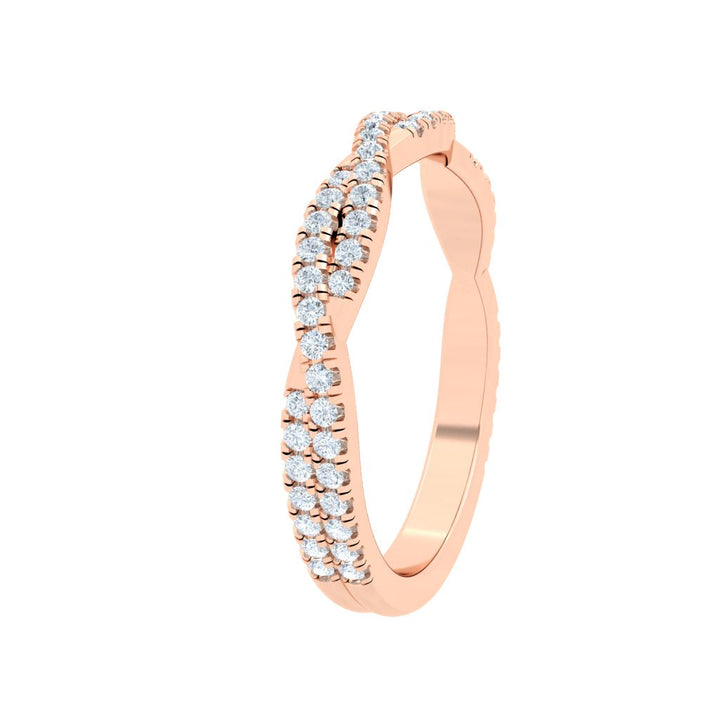
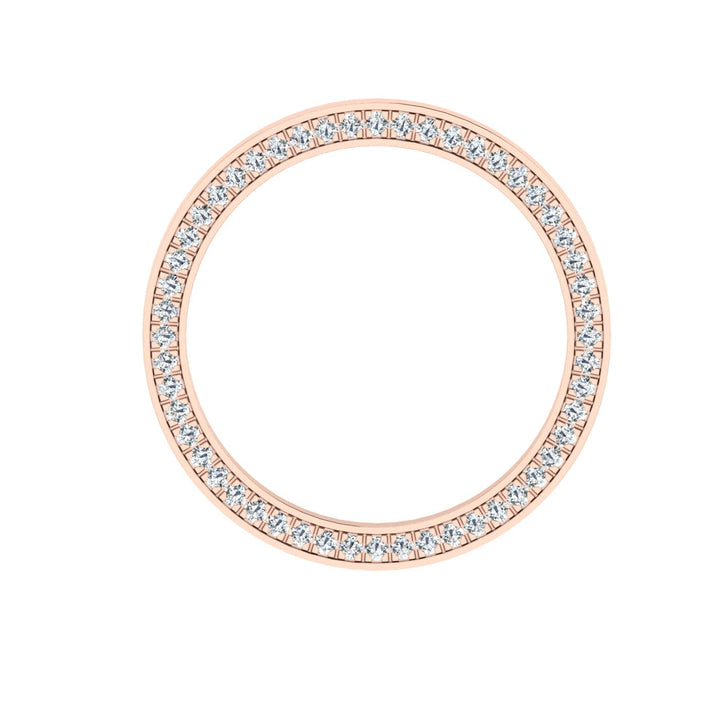
Estos anillos incorporan piedras brillantes que aportan un toque de luz y sofisticación. Son una excelente opción para quienes desean un diseño más llamativo sin perder la esencia tradicional del anillo de matrimonio.
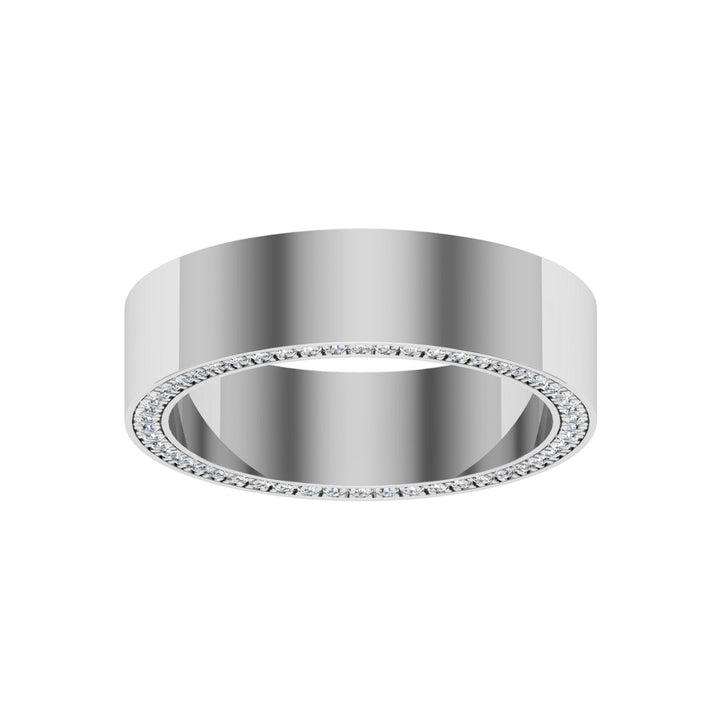
Los anillos para hombre suelen presentar un diseño más robusto, con mayor ancho y acabados sobrios. Están pensados para ofrecer comodidad, resistencia y un estilo elegante para el uso diario.
Los anillos para mujer suelen destacar por diseños más delicados, con detalles finos o piedras brillantes que aportan un toque de elegancia y feminidad.
El ancho del anillo influye tanto en su apariencia como en la comodidad al llevarlo.
Los diseños con interior cómodo (comfort fit) son ideales para el uso diario, ya que se adaptan mejor al dedo.
El metal es un factor clave en la durabilidad y el estilo del anillo de matrimonio.
La elección del metal depende del gusto personal y del uso previsto.
También ofrecemos anillos de matrimonio personalizados, ideales para parejas que buscan una joya única. Puedes elegir el diseño, el ancho, el metal y los detalles que mejor representen tu historia. Los anillos personalizados permiten crear un símbolo verdaderamente especial y significativo.
Para conservar el brillo y la calidad del anillo:
Un cuidado adecuado asegura que el anillo mantenga su belleza durante muchos años.
Sí, están diseñados para llevarse todos los días, siempre que se les dé el cuidado adecuado.
Sí, es posible personalizar el diseño, el metal y otros detalles según tus preferencias.
Depende del gusto personal y de la comodidad; los anchos medios suelen ser los más versátiles.
Requieren un poco más de atención, pero con limpieza regular se mantienen en perfecto estado.