Why Choose Solitaire Lab Grown Engagement Rings
The solitaire is the original engagement ring — and it has never gone out of style. Its enduring appeal lies in its simplicity: a single stone, elevated and unobstructed, designed to capture and return as much light as possible. There is nothing to distract from the diamond itself, which means the quality of the stone is on full display.
Solitaire lab grown engagement rings take this timeless design and pair it with modern values. Lab created diamonds deliver the same brilliance, hardness, and fire as mined diamonds, at 40–60% less cost. For a solitaire — where the center stone is the entire focus — this means you can invest in a larger, higher-quality diamond without exceeding your budget. It is the smartest way to maximize impact in the most classic setting.
Benefits of Solitaire Lab Grown Engagement Rings
- Timeless elegance. The solitaire is the most enduring engagement ring design in history. It never looks dated and complements every personal style.
- Maximum stone visibility. With no accent stones competing for attention, a solitaire setting allows 100% of the light to enter and exit the center diamond, producing unmatched brilliance.
- Real diamonds, ethical origin. Every lab grown diamond is identical to a mined diamond — rated a perfect 10 on the Mohs scale — with none of the environmental or humanitarian concerns of mining.
- Exceptional value. Affordable solitaire engagement rings are entirely achievable with lab grown diamonds. You get a superior center stone at a fraction of the mined diamond cost.
- Effortless versatility. A solitaire pairs beautifully with any wedding band — plain, pavé, curved, or stacked — giving you endless styling possibilities over time.
Lab Grown Diamonds vs Mined Diamonds — What's the Difference?
Lab grown and mined diamonds are identical in every measurable property: hardness (10 on Mohs), refractive index, chemical composition (pure carbon), and visual appearance. The only difference is origin. Lab grown diamonds are cultivated in controlled environments using HPHT or CVD technology, while mined diamonds are extracted from the earth.
For a solitaire ring — where the single stone is the entire design — this distinction matters most in terms of value. The savings on a lab grown diamond allow you to choose a larger carat weight, a higher clarity grade, or a better cut without inflating your budget. And because every stone is independently graded and certified, you know exactly what you are getting.
From an ethical standpoint, lab created diamonds eliminate the environmental disruption and humanitarian concerns associated with mining. For couples who want their ring to reflect their values, a lab grown solitaire is the clear choice.
Popular Solitaire Styles
Classic Prong
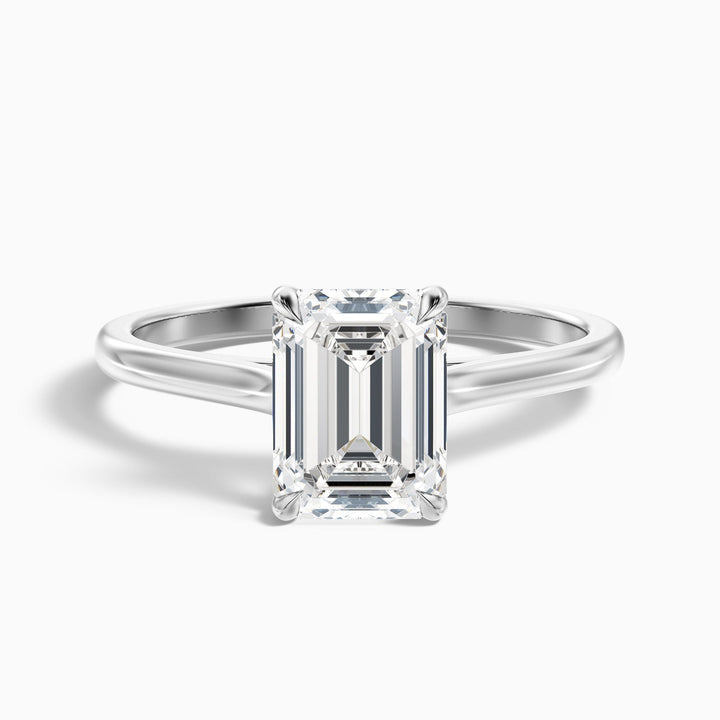
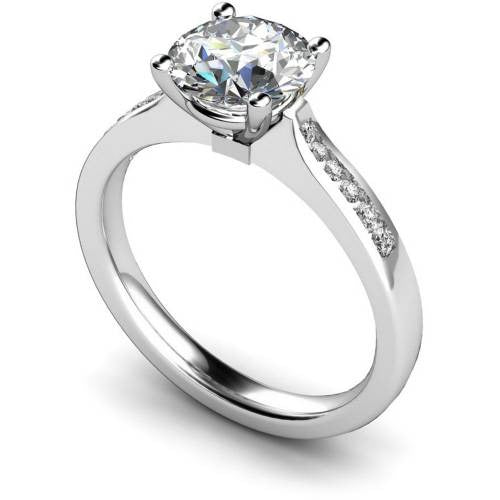
The classic prong solitaire — most often seen as a four-prong or six-prong setting — is the most iconic engagement ring design in the world. The prongs hold the diamond elevated above the band, allowing maximum light to enter from every angle. A six-prong setting offers extra security, while a four-prong setting shows more of the stone's surface. Both are timeless.
Cathedral
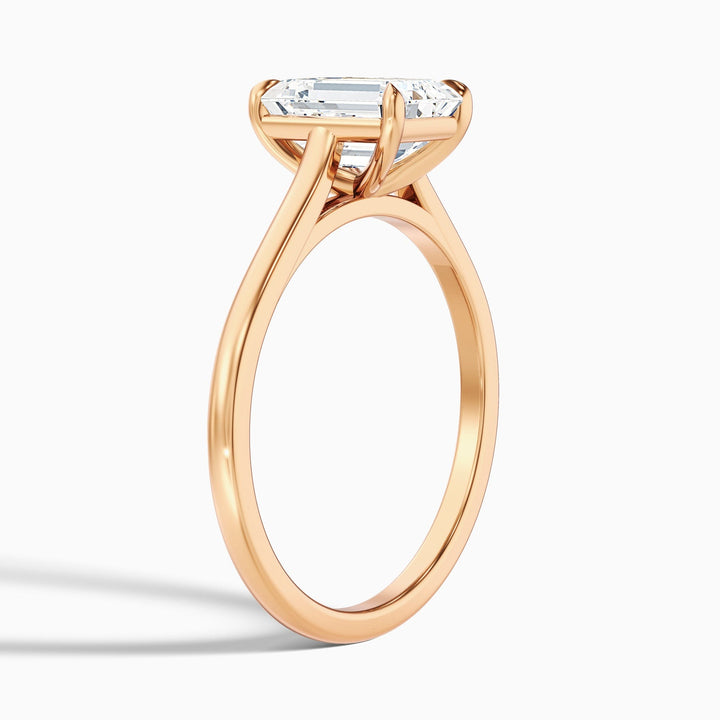
A cathedral setting features arching metal supports that rise from the band to cradle the center stone, creating a graceful, elevated profile. The architecture adds visual height and sophistication to the ring while keeping the diamond secure. It is an excellent choice for those who want a solitaire with a little more structural presence.
Bezel
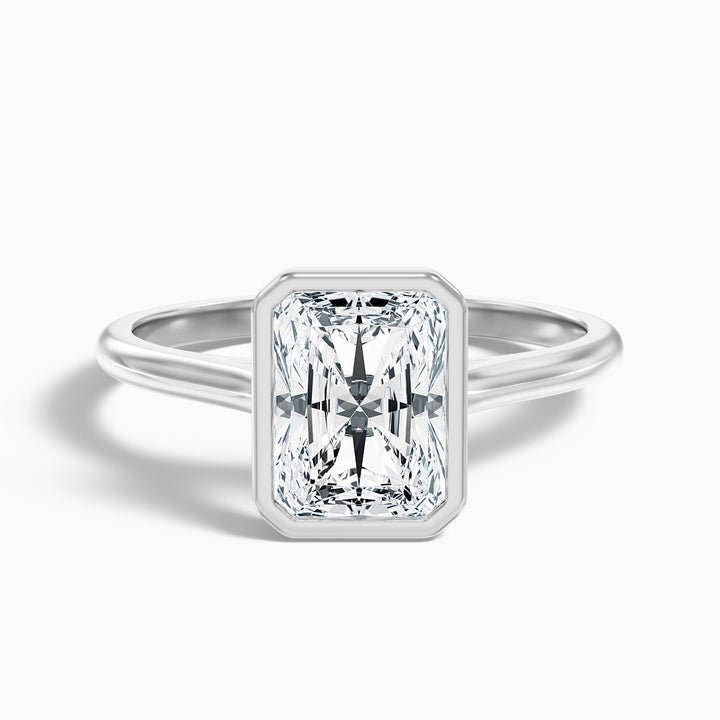
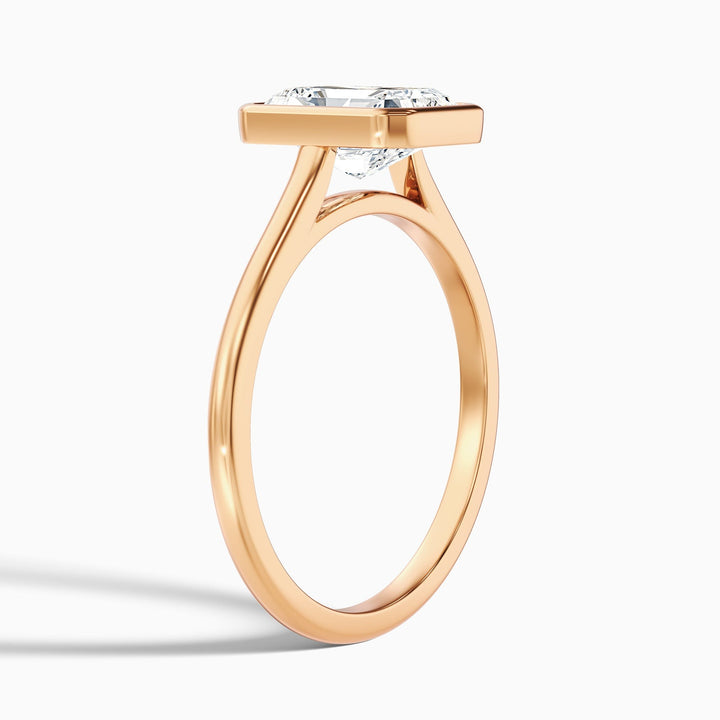
A bezel solitaire wraps a thin rim of metal around the entire perimeter of the diamond, holding it flush with the band. This creates a sleek, modern look and offers the most protection for the stone — making it ideal for active lifestyles. The clean lines of a bezel setting give the ring a contemporary, architectural quality.
Knife-Edge
A knife-edge band tapers to a narrow ridge along the top, creating a slimmer, more refined profile that draws the eye upward toward the center diamond. This subtle design detail adds elegance and makes the stone appear more prominent without changing its actual size. It is a sophisticated choice for those who appreciate understated craftsmanship.
How to Choose the Perfect Solitaire Lab Grown Engagement Ring
Because a solitaire puts all the focus on a single stone, your choices carry extra weight:
- Diamond shape. Round brilliant is the most popular for its unmatched sparkle. Oval creates an elongating effect on the finger. Emerald and Asscher cuts offer a more vintage, art-deco character. Cushion and pear shapes fall somewhere in between.
- Carat size. With lab grown diamonds, you can comfortably go larger. A 1.5 or 2-carat solitaire that would be prohibitively expensive in mined diamond becomes very attainable.
- Cut quality. In a solitaire, cut is everything. Prioritize cut grade above all else — an excellent or ideal cut will produce the most brilliant, fiery stone regardless of carat weight.
- Setting style. Prong settings maximize light performance. Bezel settings maximize protection. Cathedral settings add height and presence. Knife-edge bands add refinement.
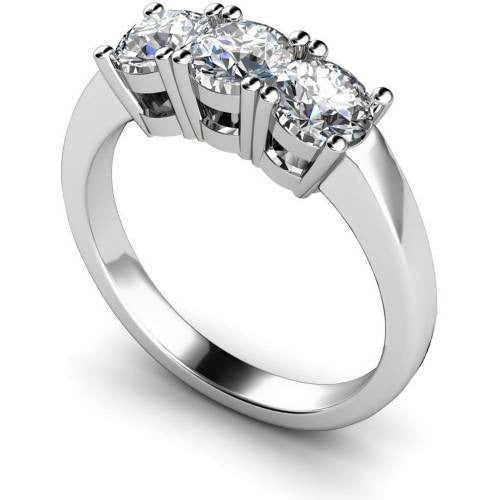
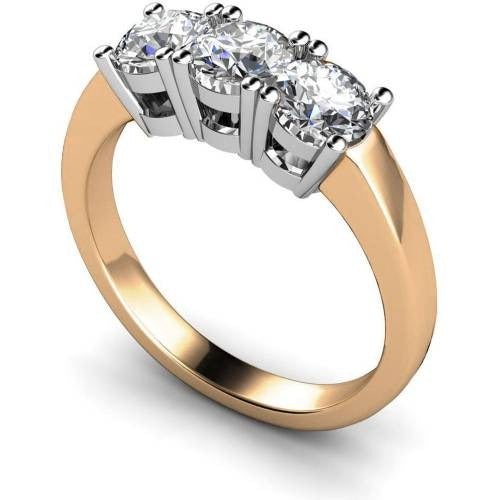
- Metal choice. White gold and platinum create a seamless, modern look. Yellow and rose gold add contrast and warmth, giving the ring a more romantic, vintage feel.
Why Buy from Grown Leo
Grown Leo was founded on the principle that fine jewelry should be breathtaking, ethically made, and accessible to everyone. Every solitaire lab grown engagement ring in this collection reflects that commitment.
- Premium craftsmanship. Each ring is designed, assembled, and inspected by experienced artisans who understand that a solitaire demands precision.
- Ethically sourced diamonds. All diamonds are lab created — no mining, no conflict, complete traceability.
- Exceptional value. We cut out the middlemen, so you get a ring that looks and feels luxurious without the luxury markup.
- Customer-first service. Free shipping across the USA, hassle-free returns, and a dedicated support team to help with sizing, customization, and any questions.
When you choose Grown Leo, you are choosing a jeweler who believes the simplest designs deserve the highest standards.
Care and Maintenance Tips
A solitaire ring is beautifully simple to care for, but a few habits will keep it looking its absolute best:
- Clean regularly. Soak your ring in warm water with a few drops of mild dish soap for 20–30 minutes. Gently brush around the setting and underneath the stone with a soft-bristled brush, then rinse and pat dry with a lint-free cloth.
- Avoid harsh chemicals. Remove your ring before using household cleaners, chlorine, or bleach. These substances can dull the metal finish over time.
- Store properly. Keep your ring in a soft pouch or separate compartment of a lined jewelry box. Storing it loose with other jewelry risks scratching the band or loosening the setting.
- Check the setting. Have a jeweler inspect the prongs or bezel at least once a year to ensure the diamond is held securely. This is especially important for prong-set solitaires.
- Remove during heavy activity. While diamonds are the hardest gemstones available, removing your ring during workouts, gardening, or manual work protects the setting from unnecessary impact.
With basic care, your solitaire lab grown engagement ring will maintain its stunning clarity and brilliance for a lifetime.